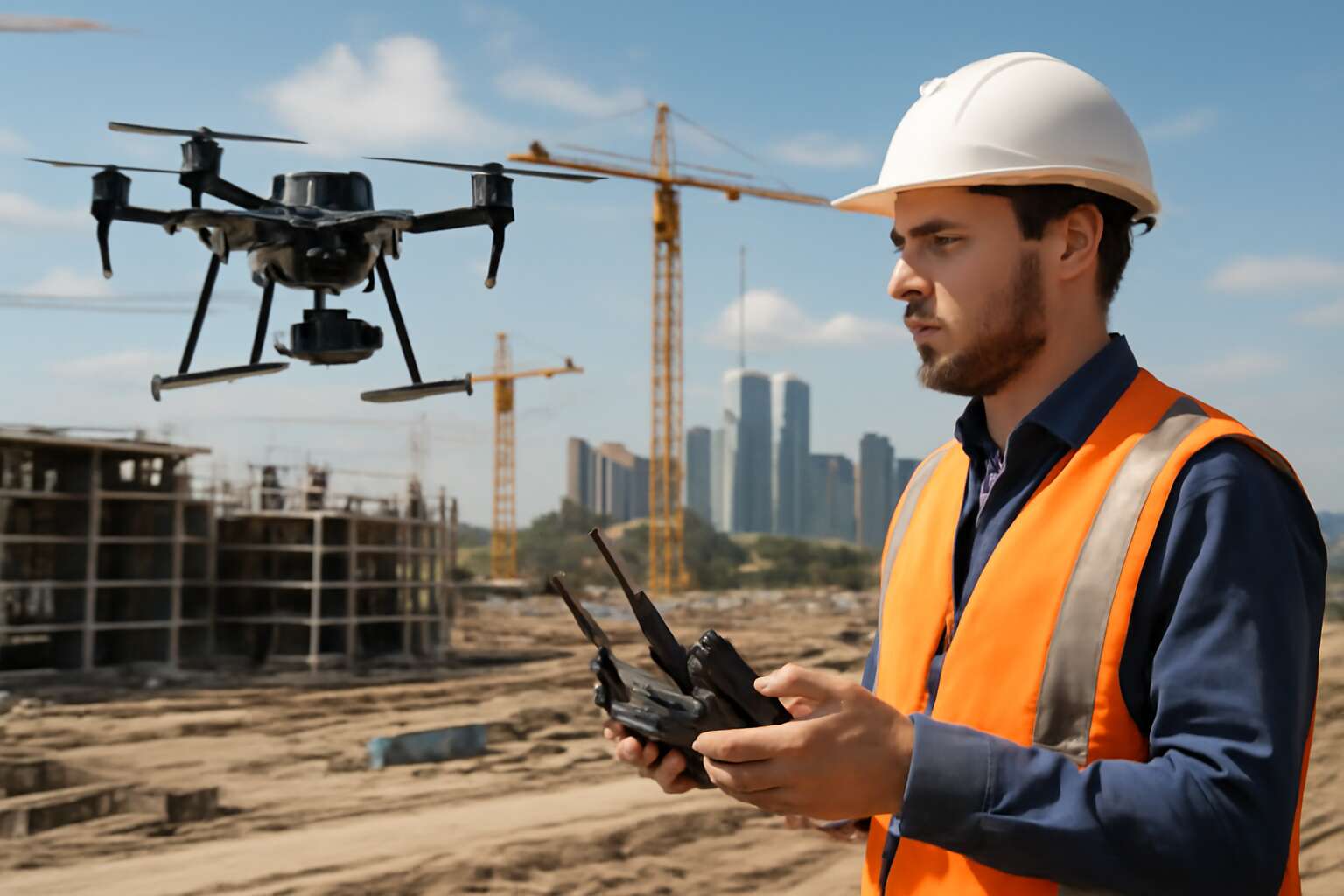
Overview of Drone Employment Opportunities
Understanding Drones in the Modern Workforce
In a world where technology evolves at a breathtaking pace, the realm of jobs drones emerges as a beacon of innovation and opportunity. These mechanical sentinels, soaring through the skies, are transforming industries and redefining the very fabric of employment in South Africa. As the demand for drone expertise surges, a new frontier unfolds—one where skilled operators and technicians become the architects of aerial possibilities.
Understanding drones in the modern workforce reveals a landscape rich with potential. From agricultural surveillance to infrastructure inspection, the applications are as varied as they are vital. The rise of jobs drones signifies a shift—a movement toward a future where precision, efficiency, and innovation take flight. For those eager to carve a niche in this expanding market, the journey begins with mastering the intricacies of drone technology and navigating the diverse opportunities that await.
- Surveying and mapping for environmental management
- Real estate and aerial photography
- Agricultural monitoring to optimize crop yields
- Security and surveillance operations
Each role demands a blend of technical prowess and creative problem-solving, making jobs drones not merely a career choice but a pursuit of pioneering spirit. As the skies fill with these digital wings, the landscape of employment in South Africa transforms—fostering innovation, enhancing safety, and unlocking new horizons of possibility.
Emergence of Drone Jobs in Various Industries
The emergence of jobs drones is revolutionizing industries across South Africa, unlocking a realm of unprecedented opportunities. From the vast expanses of agricultural fields to bustling urban landscapes, drone technology is becoming an indispensable tool for professionals seeking to innovate and excel. As companies recognize the immense potential of drone applications, the variety of roles continues to expand, creating a landscape where technical skill meets strategic vision.
Industries such as construction, mining, and environmental management are increasingly relying on drone expertise. For example, surveying and mapping for environmental management has become more precise and efficient thanks to cutting-edge drone solutions. Moreover, real estate and aerial photography are transforming how properties are marketed, offering stunning visuals that captivate clients. The agricultural sector, in particular, is experiencing a surge in jobs drones that monitor crop health and optimize yields—truly a game-changer for South African farmers seeking competitive advantage.
- Surveying and mapping specialists are now vital for accurate land assessments.
- Security firms deploy drones for surveillance, enhancing safety measures.
- In the realm of infrastructure, drones assist in inspecting bridges, power lines, and pipelines with remarkable precision.
This dynamic shift toward drone-centric roles signals a future where innovation and expertise collide, paving the way for a new echelon of employment opportunities in South Africa. The question remains—who will seize this moment and elevate their careers into the skies of possibility? Jobs drones are not merely a trend; they are the herald of a new industrial revolution.
Key Skills and Qualifications for Drone Careers
In the rapidly evolving landscape of South Africa’s job market, opportunities in drone employment are truly taking off. As the demand for skilled drone operators and technicians grows, so does the need for individuals equipped with the right blend of technical expertise and strategic insight. The spectrum of jobs drones now encompass is expanding beyond recreational use, transforming industries and creating a new echelon of employment prospects.
To thrive in this burgeoning field, certain key skills and qualifications are essential. Proficiency in drone piloting, understanding of aviation regulations, and knowledge of data analysis are just the beginning. Many roles also demand familiarity with geographic information systems (GIS), environmental monitoring, and aerial photography. Aspiring professionals should consider obtaining certification in drone operation, which demonstrates their capability and boosts employability.
In fact, the most sought-after candidates often possess a combination of technical skills and a keen eye for detail. For example, surveyors and environmental specialists rely on their expertise in drone technology to deliver precise land assessments and monitor ecological changes. Those interested in jobs drones should focus on developing a versatile skill set that includes:
- Drone piloting and maintenance skills
- Knowledge of relevant safety standards and regulations
- Data management and interpretation capabilities
- Specialized certifications in drone operation
As the drone industry continues to ascend, so too will the demand for qualified professionals ready to navigate the skies of innovation. Whether in agriculture, security, or infrastructure inspection, the threshold for entering this field is lower than ever—providing a golden opportunity for South Africans eager to elevate their careers in the age of drone technology.
Top Industries Hiring Drone Operators
Aerial Photography and Videography
Across the vast tapestry of industry, drones have become the silent wings that elevate our capabilities and expand our horizons. In South Africa, sectors such as agriculture, construction, and media are harnessing the power of jobs drones to capture perspectives once thought impossible. These aerial artisans are transforming the way we see the world, turning aerial photography and videography into an art form that elevates storytelling to new heights.
Particularly in the realm of aerial photography and videography, drone operators are sought after for their ability to craft compelling visual narratives that resonate with audiences. Whether it’s showcasing the sprawling vineyards of the Western Cape or capturing the rugged beauty of the Drakensberg, skilled drone pilots breathe life into static landscapes. The call for innovation echoes loudly in these industries, where the right perspective can turn a simple shot into a breathtaking masterpiece.
- Media and Entertainment: capturing cinematic scenes that dazzle viewers.
- Real Estate: providing sweeping views that sell properties faster.
- Tourism and Hospitality: creating captivating promotional content that draws visitors.
- Agriculture: monitoring crop health and optimizing yields with precision.
Indeed, jobs drones are not merely a fleeting trend but a vital thread woven into the fabric of South Africa’s economic and creative landscape. As technology advances, the skies become the limit for those daring enough to take flight with their ambitions.
Agriculture and Precision Farming
Agriculture and precision farming are at the forefront of industries actively hiring jobs drones in South Africa. Farmers are increasingly turning to drone technology to monitor crop health, assess soil conditions, and manage water resources efficiently. These jobs drones provide real-time data that helps farmers make informed decisions, ultimately boosting yields and reducing costs.
The ability to cover large areas quickly and accurately makes jobs drones indispensable in modern agriculture. They deliver detailed aerial imagery that highlights pest infestations, nutrient deficiencies, or irrigation issues long before they become visible to the naked eye. This proactive approach is revolutionizing how farms operate in South Africa’s competitive market.
In addition to crop monitoring, jobs drones are used for mapping fields and creating precise planting plans. As the demand for sustainable farming practices grows, the role of drone operators in agriculture will only expand. These jobs drones are transforming traditional practices into high-tech solutions that drive productivity and sustainability across the sector.
Construction and Infrastructure Inspection
In South Africa’s rapidly evolving industrial landscape, the demand for jobs drones in construction and infrastructure inspection is surging. As urbanization accelerates and infrastructure projects become more complex, traditional inspection methods struggle to keep pace. Drones offer a revolutionary alternative—delivering detailed, real-time data that transforms oversight from a tedious chore into a precise science.
From inspecting high-rise buildings to surveying sprawling bridges, drone operators play a critical role in ensuring safety and efficiency. These jobs drones provide unparalleled access to hard-to-reach areas, reducing risks for human workers while speeding up project timelines. In fact, the ability of drones to capture high-resolution imagery and 3D maps is reshaping how infrastructure is managed across South Africa.
For those considering a career in this field, skills in flight operation, data analysis, and an understanding of structural integrity are essential. As infrastructure projects grow more ambitious, the scope for jobs drones in construction and inspection will only expand—making this an industry ripe with opportunity and innovation.
Search and Rescue Operations
In the silent ballet of rescue and recovery, drones have become vital players, transforming the landscape of search and rescue operations across South Africa. These jobs drones possess the agility and vantage point to navigate treacherous terrains, thick forests, and rugged mountains where human reach falters. Their aerial perspective unveils hidden clues, guiding rescue teams with precision and speed that once belonged to the realm of fantasy.
Emergency services are increasingly turning to drones to locate stranded hikers, assist in disaster relief, and monitor wilderness areas for lost persons. The integration of thermal imaging and high-resolution cameras in these jobs drones allows operators to detect warmth signatures through dense foliage, turning a mere device into a beacon of hope. As the frequency of natural calamities and outdoor adventures rise, so too does the demand for skilled drone operators ready to answer urgent calls for help.
- Rapid deployment in disaster zones
- Monitoring flood-prone areas
- Assisting in wildfire management
South Africa’s diverse terrain and unpredictable weather patterns make jobs drones indispensable in search and rescue operations, offering a blend of technological prowess and human compassion that is reshaping emergency response in the modern age. Every flight becomes a dance between precision and instinct, where the stakes are nothing short of life itself.
Security and Surveillance Services
In the rapidly evolving realm of technological innovation, security and surveillance services stand at the forefront of industries harnessing the power of jobs drones. South Africa’s sprawling urban centres and sprawling borders demand vigilant oversight, and drones offer an unprecedented vantage point to monitor activity discreetly yet effectively. With their ability to cover vast terrains in mere minutes, these unmanned aerial vehicles have become the silent guardians of safety and order.
From private security firms to government agencies, the demand for skilled drone operators is surging. They deploy jobs drones equipped with high-resolution cameras and night vision to patrol sensitive sites, track suspicious movements, and thwart criminal activities. This technological symphony of surveillance not only augments traditional security measures but also introduces a new paradigm of proactive threat detection.
- Enhanced perimeter security around critical infrastructure
- Real-time monitoring of high-profile events or protests
- Border patrol and illegal activity detection
As South Africa faces complex security challenges, the integration of jobs drones into security systems exemplifies a blend of precision, agility, and strategic foresight. The industry’s evolution signals a pivotal shift—where human expertise meets aerial acuity to safeguard communities and assets with unprecedented efficacy.
Delivery Services and Logistics
In the bustling landscape of South Africa’s economy, the rise of jobs drones has sparked a quiet revolution—especially within the delivery services and logistics sectors. As the demand for faster, more efficient transportation surges, companies are turning to unmanned aerial vehicles to bridge gaps that traditional methods struggle to fill. Imagine a future where parcels zip through the sky, bypassing traffic congestion and reaching remote communities with ease. That future is now unfolding before our eyes!
Leading logistics firms are actively hiring drone operators to manage fleets of delivery drones. These skilled professionals coordinate aerial routes, ensuring packages arrive swiftly and safely. The versatility of jobs drones in this sector is further highlighted by their ability to navigate challenging terrains, making last-mile deliveries to isolated areas a feasible reality. To streamline operations, many companies are adopting a structured approach, which might include:
- Monitoring drone fleets in real-time for optimal efficiency
- Maintaining safety protocols during aerial deliveries
- Ensuring compliance with aviation regulations and standards
From e-commerce giants to local courier services, the integration of jobs drones into logistics landscapes promises a future where delivery becomes more dynamic, precise, and eco-friendly. As this industry continues to evolve, the demand for talented drone operators will only intensify—heralding a new era of aerial innovation in South Africa’s bustling delivery ecosystem!
Types of Jobs Available in the Drone Sector
Commercial Drone Pilot
In the ever-evolving landscape of the drone sector, the role of a commercial drone pilot is no longer confined to Hollywood blockbusters or science fiction. Today, these skilled operators are the unsung heroes behind a multitude of innovative jobs drones are transforming across industries. From inspecting towering infrastructure to capturing breathtaking aerial footage, their expertise is in high demand and only set to soar higher.
What makes this career so captivating is its diversity. Beyond the glamour of aerial photography and videography, jobs drones now encompass areas such as environmental monitoring, disaster assessment, and even wildlife conservation. For those looking to carve out a niche, understanding the various applications can be as rewarding as the work itself. Here’s a quick glimpse into the multifaceted world of jobs drones offer:
- Surveying and mapping for urban planning
- Emergency response coordination
- Inspection of wind turbines and solar farms
As the industry matures, the opportunities for jobs drones continue to expand exponentially, inviting tech-savvy professionals to join a sector that’s as dynamic as it is essential.
Drone Maintenance Technician
One of the often overlooked yet vital roles in the drone industry is that of the drone maintenance technician. As the backbone ensuring drones operate smoothly and safely, these technicians handle everything from routine inspections to complex repairs. With the rapid expansion of jobs drones in sectors like agriculture, construction, and security, skilled maintenance technicians are more in demand than ever.
Their work goes beyond simple troubleshooting. They must understand drone hardware, software updates, and battery management to keep fleets operational. For those interested in technical careers, this role offers a perfect blend of hands-on work and problem-solving. As the industry matures, the need for reliable drone maintenance technicians will only grow, making it a pivotal part of the jobs drones ecosystem.
Aerial Data Analyst
The drone industry is evolving at a rapid pace, creating diverse opportunities for skilled professionals. One intriguing role is that of the aerial data analyst. These specialists extract valuable insights from drone-collected data, transforming raw images and sensor readings into actionable intelligence. In sectors like agriculture, construction, and security, their expertise is increasingly vital.
They analyze high-resolution imagery, LiDAR scans, and thermal data to support decision-making processes. The demand for jobs drones in this niche is surging, especially as companies seek to optimize operations using aerial intelligence. Here’s a quick overview of what this role entails:
- Processing large datasets collected during drone flights
- Identifying patterns and anomalies in aerial imagery
- Generating detailed reports for clients and stakeholders
- Integrating data into GIS platforms and mapping tools
For those with a knack for technology and analysis, becoming an aerial data analyst offers a dynamic career path. As industries expand their reliance on drone technology, the need for these specialized jobs drones professionals will only grow stronger!
Research and Development Roles
Within the shadowed corridors of the drone industry, research and development roles emerge as the silent architects of innovation. These jobs drones professionals push the boundaries of what’s possible, forging new pathways through technological darkness. From developing advanced flight systems to crafting cutting-edge sensors, the R&D sector is the crucible where future drone applications are born.
For those captivated by the mystique of flight and the secrets it holds, R&D roles offer an alluring pursuit. The work often involves exploring novel materials for drone construction or designing autonomous navigation algorithms that seem almost supernatural in their precision. Here, creativity and technical prowess collide in a dance as old as the shadows themselves.
- Designing next-generation drone hardware and software
- Researching AI-driven flight autonomy
- Developing specialized sensors for unique environments
- Innovating in energy efficiency and battery technology
- Testing prototypes in real-world, often eerie, settings
In a realm where technology whispers secrets and the unknown beckons, jobs drones in R&D are the gateway to a future shrouded in possibility. As industries in South Africa and beyond seek to harness the full potential of aerial innovation, these roles stand at the forefront—silent, relentless, and ever-evolving.
Regulatory and Safety Compliance Positions
Regulatory and safety compliance positions in the drone sector are the guardians of order amid the chaos of rapid technological evolution. As drone technology advances, so does the complexity of navigating the legal landscape—especially in South Africa, where airspace regulations are still catching up with innovation. These roles demand a sharp eye for detail and an unwavering commitment to safety, ensuring that drone operations adhere to national and international standards.
Within these jobs drones professionals develop policies, conduct risk assessments, and oversee certification processes. They are the unseen gatekeepers who balance innovation with responsibility, preventing chaos in the skies. Whether working with aviation authorities or private companies, these experts craft frameworks that allow drone technology to thrive legally and ethically. The importance of their role cannot be overstated—without proper regulation, the potential of drone technology remains untapped and fraught with danger.
For those intrigued by the regulatory labyrinth, careers in compliance also include:
- Developing safety protocols tailored to specific industries
- Conducting audits and inspections of drone operations
- Staying current with evolving drone legislation and airspace policies
In a landscape where the unknown lurks just beyond the horizon, jobs drones in regulatory and safety compliance serve as the compass—guiding the industry safely forward into uncharted skies. As South Africa embraces aerial innovation, these roles are vital in transforming dreams of drone technology into tangible, lawful realities.
How to Start a Career in Drones
Required Certifications and Licenses
Embarking on a career in jobs drones isn’t just about flying; it’s about mastering a new frontier of technology and regulation. To legally operate in South Africa, aspiring drone professionals need to obtain specific certifications and licenses that validate their skills and ensure safety compliance. Without these credentials, even the most talented pilot risks legal repercussions and career stagnation.
The South African Civil Aviation Authority (SACAA) mandates that commercial drone pilots hold a Remote Pilot License (RPL). This license is crucial for those looking to turn their passion into a fully-fledged career in jobs drones. The process involves comprehensive training, which covers airspace regulations, safety procedures, and operational protocols. It’s not enough to simply fly well—understanding the legal landscape shapes a sustainable career.
Certification isn’t just a box to tick; it’s the foundation of credibility in a competitive market. Enrolling in accredited drone training programs prepares aspiring professionals for the rigorous assessments required to obtain licenses. As the demand for jobs drones continues to skyrocket across industries like agriculture, security, and delivery, having the right certifications could mean the difference between being a drone operator and a trusted industry expert!
Training Programs and Courses
Embarking on a journey into the world of jobs drones begins with the right foundation—training programs that unlock the secrets of flight and technology. South Africa’s burgeoning drone industry demands more than just a love for flying; it requires specialized knowledge and skills that set you apart. Fortunately, there are numerous courses designed to prepare aspiring professionals for the challenges ahead.
These programs often include comprehensive modules on airspace regulations, safety protocols, and operational techniques. Enrolling in accredited drone training courses ensures you gain practical experience while building confidence in your abilities. Some training providers also offer mentorship opportunities, giving you a glimpse into real-world job scenarios. The key is to find a program that combines theoretical knowledge with hands-on practice—an essential step toward landing jobs drones in various sectors.
To get started, consider following a structured pathway:
- Research reputable training institutes that specialize in drone education within South Africa.
- Choose a course that aligns with your career goals—whether it’s aerial photography, agriculture, or security services.
- Complete the coursework, which typically culminates in a practical assessment and written exam.
- Obtain your Remote Pilot License (RPL), a crucial credential for commercial drone operations.
By investing in quality drone training programs, you set the stage for a future filled with exciting opportunities in jobs drones—whether as a freelance pilot or a key player in industry-specific projects. It’s a world where adventure meets innovation, and the sky is truly the limit!
Gaining Practical Experience
Gaining practical experience is the vital next step for anyone eager to carve out a career in jobs drones. While theoretical knowledge lays the groundwork, real-world flying hones your skills and builds confidence. Immersing yourself in hands-on flying sessions, whether through internships, volunteering opportunities, or drone clubs, is where the magic truly happens. These experiences teach you to navigate unpredictable weather, interpret live data, and adapt to diverse operational scenarios—traits that set professionals apart in the competitive landscape of jobs drones.
To accelerate your journey, consider following a structured approach:
- Seek out local drone operators or companies that offer mentorship programs or apprenticeships.
- Participate in industry-specific projects like aerial mapping or survey missions to diversify your skill set.
- Regularly update your flight logs and document your experiences to track progress and identify areas for improvement.
By actively pursuing diverse flying opportunities, you develop the practical expertise required to excel in jobs drones across sectors such as agriculture, security, or infrastructure inspection. Remember, every flight is a step closer to turning your passion for drones into a rewarding profession!
Building a Professional Portfolio
Building a professional portfolio is the cornerstone of launching a successful career in jobs drones. It transforms your burgeoning skills into a compelling visual story that recruiters and clients can’t ignore. Think of it as your personal showcase, where each project highlights your expertise and versatility in the fast-evolving drone industry.
Start by documenting every flight, capturing high-quality images, videos, or data sets that demonstrate your ability to operate different drone models and navigate diverse environments. Remember, consistency and quality matter — they reflect your dedication and technical prowess. To stand out, consider creating a digital portfolio or a dedicated website where potential employers can explore your work with ease.
Consider including a variety of projects such as aerial surveys, mapping, or inspection missions—each one illustrating your adaptability across sectors like agriculture, security, or infrastructure. For instance, showcasing a detailed infrastructure inspection report not only displays your skill but also your understanding of industry standards. Here’s a quick guide to get you started:
- Gather and organize your best work samples.
- Highlight the unique challenges you faced during each project.
- Describe the outcomes and benefits your drone work provided to clients or employers.
In the world of jobs drones, a robust and diverse portfolio isn’t just a collection of images—it’s your passport to new opportunities, credibility, and growth in this thriving sector of the South African drone economy.
Challenges and Future Trends in Drone Jobs
Regulatory and Legal Considerations
As the landscape of jobs drones continues to evolve rapidly, navigating the regulatory and legal maze becomes increasingly complex. Governments worldwide, including South Africa, are grappling with establishing frameworks that balance innovation with safety. Without clear regulations, the risk of accidents, privacy breaches, and legal liabilities looms large, potentially stalling the growth of this promising sector.
In South Africa, authorities are progressively tightening rules around commercial drone operations, emphasizing the need for compliance with aeronautical safety standards. This environment demands that aspiring drone professionals stay informed about evolving legislation. In fact, some regions are adopting innovative licensing models, while others are exploring drone-specific air traffic management systems to accommodate the rising number of jobs drones.
To stay ahead, industry stakeholders are calling for comprehensive policies that support innovation while safeguarding public interests. The challenge lies in implementing flexible yet robust legal frameworks that can adapt as technology advances. For those seeking careers in jobs drones, understanding these legal considerations isn’t just crucial; it’s the key to unlocking future opportunities in this high-flying industry.
Technological Advancements and Automation
As the horizon of jobs drones expands, technological advancements and automation threaten to redefine the very fabric of aerial employment. The rapid pace of innovation, driven by breakthroughs in AI, machine learning, and sensor technology, propels this sector into uncharted territory. Yet, with progress comes inherent challenges—particularly the risk of job displacement and the need for continuous skill adaptation. The future of jobs drones hinges on striking a delicate balance between automation efficiency and human expertise, ensuring that technological strides enhance rather than hinder workforce opportunities.
Emerging trends suggest an increasing reliance on autonomous systems that can operate with minimal human intervention, making drone operations more streamlined and scalable. For instance, fleets of drones equipped with sophisticated AI algorithms can perform complex tasks such as real-time data processing and autonomous navigation—ushering in a new era of productivity. This trend emphasizes the importance of upskilling drone professionals, who must evolve alongside these innovations to stay relevant in this high-stakes industry.
In South Africa, where the landscape of jobs drones is rapidly evolving, industry insiders foresee a future where automation could handle routine inspections, freeing up human operators for more strategic, creative roles. The integration of advanced sensors and machine learning will likely spawn entirely new categories of drone jobs—research and development roles focused on refining autonomous capabilities, for instance. As we stand at this technological crossroads, it’s clear that the only way forward is through adaptation, continuous learning, and an unyielding commitment to innovation in the drone sector.
Job Market Growth Projections
As the jobs drones sector accelerates into an era of unprecedented innovation, challenges are emerging alongside promising growth. Automation and AI-driven systems threaten to displace traditional roles, raising concerns about workforce stability. Yet, these technological shifts also create new opportunities—particularly in R&D and advanced operational roles that require a nuanced understanding of autonomous drone technology.
Looking ahead, industry analysts project significant growth in the jobs drones market, with estimates suggesting a compound annual growth rate of over 20% in the next five years. This surge is fueled by the increasing adoption of drones in sectors such as agriculture, security, and logistics across South Africa. However, for professionals to thrive, continuous upskilling remains essential, as the landscape evolves rapidly.
Emerging trends reveal a focus on developing autonomous systems capable of executing complex tasks with minimal human oversight. These innovations will likely spearhead a shift towards specialized roles like drone software engineering and sensor optimization. As a result, the future of jobs drones hinges on the delicate balance of technological progress and human ingenuity, ensuring that growth benefits the entire ecosystem rather than replacing it.
Skills to Stay Competitive
As the jobs drones industry accelerates, one thing becomes clear: staying competitive requires more than just basic flying skills. Rapid technological advancements and increasing automation mean that professionals must continuously adapt. Skills in programming, sensor integration, and autonomous system management are becoming essential. Without these, even experienced drone pilots risk falling behind in this competitive landscape.
Future trends suggest an increasing demand for specialized roles such as drone software engineering and data analytics. To meet these demands, workers must embrace ongoing training and upskilling opportunities. It’s not just about operating a drone anymore—it’s about understanding complex systems that drive autonomous functionality. This shift underscores the importance of having a keen grasp of emerging technologies and industry regulations, particularly in a dynamic market like South Africa.
Keeping pace with the evolution of jobs drones also involves developing a versatile skill set that can bridge technical expertise with practical applications. As automation becomes more prevalent, roles that blend human ingenuity with machine efficiency will stand out. For professionals in the jobs drones sector, agility and a commitment to lifelong learning are no longer optional—they are the keys to future success.

0 Comments