Drone categories by form factor and design
Compact mini and palm-sized drones
Small in frame, colossal in reach—that’s the magic of compact mini and palm-sized drones. In the world of types of drones, these pocket powerhouses prove portability can pair with performance. I’ve watched shoots where a palm-sized flyer delivered crisp 4K from tight stairwells and sunlit dunes, turning cramped spaces into cinematic opportunities. Their light touch and steady hover invite a new kind of storytelling—one that travels with you along South Africa’s coastlines, savannahs, and city rooftops, where perspective becomes a narrative.
Two form factors lead the parade: compact minis and palm-sized explorers, crafted for travel and stealthy scouting.
- Compact minis: pocketable, quick to deploy, with solid video
- Palm-sized: ultra-portable, ideal for indoor or tight-space flights
Mid-size consumer models
Mid-size consumer drones sit in the golden mean between pocket rockets and studio behemoths. In South Africa, roughly half of new drone sales land in this mid-frame camp, proof that reach can coexist with plug-and-play practicality. When a shoot requires more than a mini but doesn’t justify a full rig, this category is where I grab for the keys and the extra battery life.
- Longer flight times and bigger payloads for pro-grade cameras
- Better wind handling and smoother footage in coastal gusts
- Enhanced sensors and longer transmission ranges for urban shoots
- Smart features and a sensible price-to-performance balance
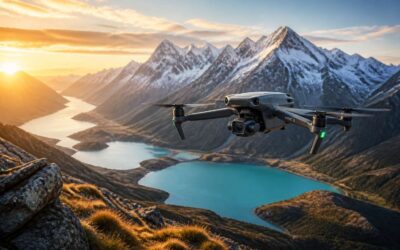
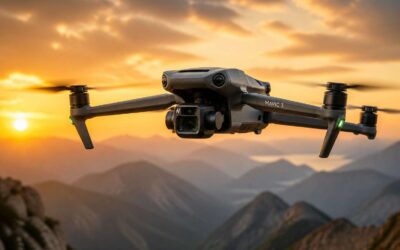
Design-wise, mid-size models balance portability with capability. They typically host larger sensors (1-inch class and up), sturdier gimbals, and more robust links—enough to make a dune or rooftop horizon feel cinematic. If you’re mapping the types of drones, these machines are the reliable workhorses that still slip into a carry-on.
Professional and enterprise drones
In the field, endurance often trumps speed. When we consider types of drones used in professional work across South Africa, form factor and design carry the day. These machines stand up to dust, heat, and long shoots, carrying sensors that match the mission—from high-resolution mapping to industrial inspection. The goal is reliable data, not drama, and the airframe must be as loyal as a farm dog at dusk!
- Fixed-wing platforms for long-range surveying and mapping
- Multi-rotor rigs with heavy-lift capacity for cinema and industrial inspection
- Hybrid designs that blend endurance with vertical takeoff and landing
These categories—fixed-wing for endurance, multi-rotor for precision payloads, and hybrids for versatility—show how professional and enterprise drones are engineered for real-world conditions. They marry rugged frames with sturdy gimbals, RTK positioning, and secure links, turning coastal gusts and veld heat into data-driven outcomes.
Foldable vs rugged outdoor drones
Across South Africa’s varied vistas, the measure of a drone’s worth is endurance, not rush. Among the types of drones, form factor decides how a mission breathes—foldables tuck away after a tight canyon pass, while rugged outdoors endure the veld’s dust and heat with quiet fidelity!
- Foldable Drones: ultra-portable, quick to deploy, ideal when sites are tight and travel is constant.
- Rugged Outdoor Drones: dust- and heat-resistant, built for long shoots and harsh veld conditions.
These form factors shape every flight plan under the South African sun, turning wind, dust, and distance into data that informs, approves, and finally tells the story of the landscape with quiet authority.
Fixed-wing vs multi-rotor differences
Across South Africa’s varied vistas, form factor governs how a mission breathes. In the world of types of drones, fixed-wing and multi-rotor designs trade endurance for maneuverability and control. One fires forward on a long glide; the other hovers with precision, answering every micro-detail of a landscape with quiet fidelity.
- Fixed-wing: longer endurance, efficient glide, ideal for expansive surveys; requires open space for takeoff and landing.
- Multi-rotor: superior hover, precise positioning, nimble in tight spots and urban edges.
Understanding these differences helps plan shoots across the veld, ensuring the right types of drones align with data needs rather than prestige.
Drone types by use case and industry
Aerial photography and cinematography drones
One drone shot can decide a project’s fate. In South Africa’s sweeping vistas—from city skylines to endless plains—the right aerial frame grabs attention and holds it. Aerial photography and cinematography harness the sky like a second lens, and cinema-scale moves are suddenly affordable enough to thrill clients with bold, sweeping narratives. It’s that magic—the kind that makes crews grin—when a single frame lands. “The sky is the new lens,” a South African cinematographer quips.
When examining types of drones by use case for photography and cinematography, a platform with high-res capture, rock-solid stabilization, long flight times, and a reliable video link is essential. For cinema-ready work, the following capabilities separate the pack:
- 4K/6K RAW video and 20 MP stills
- 3-axis gimbal and advanced stabilization
- long-range video transmission with obstacle sensing
- ND filters and log or RAW profiles
These traits let crews chase light across sand, wind, and urban heat.
Surveying, mapping and GIS drones
Among the types of drones used for surveying, mapping and GIS, precision, endurance and dependable data links rise as guiding stars. In South Africa’s varied terrain, the right craft turns a week of fieldwork into a single, confident flight. “The map awakens when the land is seen,” a seasoned surveyor likes to say, and it’s true.
Key capabilities elevate GIS-focused platforms:
- RTK/PPK for centimeter‑level positioning
- LiDAR or high‑resolution photogrammetry for dense point clouds
- Long-endurance flights and robust data links for expansive sites
From mining corridors to municipal planning, these types of drones for surveying translate real terrain into shareable surfaces—an artful blend of photogrammetry and geospatial science that keeps teams aligned and visions projected toward the horizon.
Agricultural and farming drones
Across South Africa’s farms, drone-assisted scouting can cut field-time by up to 50%, letting the sky do the walking. In the panorama of types of drones, agricultural models are tuned for resilience and precision, turning sunlight and soil into actionable insight for farmers. They track crop vigor, moisture stress, and pest signals, giving teams a confident start to every season.
Farmers lean on three core capabilities brought by these aircraft:
- Crop health monitoring with multispectral, thermal, or high‑resolution imagery
- Precise spraying and targeted nutrient delivery
- Variable-rate seeding and planting for uneven terrain
From smallholders to large-scale growers, drone capabilities translate field data into shareable surfaces—an artful blend of technology and rural life that keeps the work in motion and yields on the horizon.
Search and rescue and public safety drones
In South Africa’s vast veld and crowded streets, every second matters in a rescue. A SAR leader once said, “The sky is our fastest path to a survivor.” Simulations show drones can cut search times by up to 40% when the first sweep comes from above. These types of drones shine in public safety.
Their capabilities include:
- Thermal imaging and low-light sensing for locating heat signatures
- Real-time video and mapping to guide ground teams
- Autonomous search patterns and rapid deployment of lightweight payloads
In crisis, these drones become sentinels of hope, turning air into a corridor of safety.
Inspection and infrastructure drones
In South Africa’s vast industrial landscapes, visibility is power and time is currency. The right choice among the types of drones can turn a risky inspection into a precise, data-rich operation. For critical infrastructure, aerial surveys reveal hidden faults before they become disasters.
- Bridge inspection and corrosion checks
- Substation and utility corridor surveys
- Pipeline integrity and leak detection
- Wind turbine blade and tower assessments
These capabilities translate into safer sites and smarter asset management, where sensors, cameras and lidar translate into trusted maps. For professionals, understanding the types of drones and their sensor kits adds depth to every inspection.
Technology and capability driven classifications
Autonomous flight and AI features
Autonomy has moved from novelty to necessity; in South Africa’s diverse skies, autonomous flight and AI features redefine what a drone can do. Rather than manual piloting, mission autonomy shapes the types of drones accessible to professionals and enthusiasts alike. This technology emphasizes capability over size, turning complex tasks into reliable, repeatable operations.
Key capabilities now cluster around autonomous flight and AI features, enabling safer, smarter missions.
- Autonomous flight planning and waypoint navigation
- Real-time obstacle avoidance and automatic landing
- AI-powered object recognition and tracking
- Sensor fusion and onboard data processing
For South Africa’s rugged terrains and time-sensitive tasks, choosing the right platform means weighing autonomy, AI capacity, and payload needs. The spectrum stretches from nimble scouts to fortified workhorses, with each offering a distinct blend of flight duration and processing power.
Payload capacity and camera specs
In South Africa’s expansive skies, payload is the new horsepower. A veteran pilot says, “payload is the heartbeat of a drone,” and the remark lands like a compass needle—guiding choices from coastal sweeps to highveld inspections. Technology now pairs autonomy with cameras to sharpen every mission.
- Light payloads: compact stills and small sensors for rapid reconnaissance
- Medium payloads: stabilised 4K video and accurate lidar or multispectral modules
- Heavy payloads: high-end cinema cameras or long-range thermal imagers for critical asset inspection
Technology and capability drive classifications, not mere size. Payload capacity and camera specs anchor real-world performance. Here are practical tiers that map across the types of drones:
Camera performance rides on sensor fusion and onboard processing—3-axis gimbals, 4K60 video, and 20MP stills are now common, while thermal and multispectral payloads broaden a drone’s library beyond sight. The catalogue of types of drones shines like a constellation.
Flight time and power systems
In South Africa’s expansive skies, endurance is king. A single charge can unlock hours of reconnaissance across veld and coast—where power systems meet weather and terrain to determine mission viability. “Flight time is the heartbeat of capability,” a veteran pilot notes, and the truth lands like a compass needle guiding deployments across varied landscapes.
Technology and capability drive classifications, not mere size. Endurance and reliability emerge from smart power management, efficient propulsion, and modular power packs designed for field swaps. Across the types of drones, flight time and power architecture govern mission viability.
- Battery chemistry and capacity balance weight and performance for sustained operations
- Hybrid or all-electric powertrains, with swappable packs for rapid turnarounds
- Power management, thermal margins, and charging infrastructure that keep missions on track
From coastal fog to highveld heat, the synergy of power systems and autonomy amplifies what the camera and sensor payloads can achieve—without shouting about it.
GPS and navigation systems
GPS uptime is the silent engine behind every successful sweep. In field tests, dependable navigation trims mission delays by roughly a third. In South Africa’s expansive skies, wind and terrain are a constant guest, and the right GNSS backbone is non-negotiable.
For the types of drones on the market, GPS reliability is a unifying thread. A multi-constellation GNSS receiver—combining GPS, GLONASS, Galileo, and BeiDou—keeps position accurate even when satellites hide behind a ridge. RTK or PPK options push precision to centimeter levels, ideal for tight corridors and urban work. Geofencing, return-to-home, and waypoint navigation turn complex routes into repeatable routines, while terrain-aware routing shields against sneaky ground shifts.
- Multi-constellation GNSS (GPS, GLONASS, Galileo, BeiDou)
- RTK/PPK for centimeter-level accuracy
- Geofence and Return-to-Home safeguards
- Waypoint navigation and terrain-aware routing
With GPS and navigation systems in lockstep, the rest of the payload can tell its story—without the operator wrestling the controls. The result is a stealthy blend of autonomy and reliability, perfect for scrutinising veld, coast, or council-approved corridors.
Obstacle avoidance and safety features
Across the types of drones, technology and capability-driven classifications distinguish mere hardware from intelligent partners in the sky. In South Africa’s ever-changing winds, obstacle avoidance isn’t garnish; field tests show it reduces mission aborts by roughly a third, turning chaos into choreography.
Look for a battle-tested sensor suite and smart safety features that promise calm under pressure:
- Multispectral and visual sensors for situational awareness
- Redundant processing and power paths for reliability
- AI-driven decision making and responsive control loops
These elements let operators focus on the narrative—capture, analysis, and insight—while the machine handles the choreography. A nuanced mix of safety features and robust autonomy quietly redefines the perimeters of the possible.
Remote sensing and data capture capabilities
Across South Africa’s wind-worn skies, the line between drone and instrument narrows as technology drives capability. Field trials show sensor fusion keeps flight paths steady and data integrity intact even as gusts howl. The focus shifts from hardware to perception—the types of drones now compete on what they sense, not merely how they fly.
Key capabilities shaping this tech-driven class include:
- Remote sensing and data capture: multispectral, thermal, LiDAR
- Redundant processing and power paths for reliability
- AI-driven decision making and responsive control loops
These elements let operators narrate the mission—capture, analysis, and insight—while the machine handles reliability and choreography. A quiet revolution in sensor intelligence expands what is possible, redefining boundaries under the South African sky.
Specialized drone categories and niche use cases
FPV racing and freestyle drones
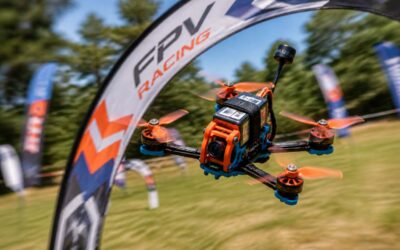
In the realm of types of drones, FPV racing and freestyle builds are the adrenaline edge. These nimble machines prioritize speed and pilot control over cinematic shots. Builders chase ultra-light frames, snappy motors, and rock-solid telemetry, crafting drones that respond in milliseconds.
- Lightweight, rigid frames tuned for agility
- High-torque motors and responsive ESCs
- Low-latency video links and immersive goggles
Across South Africa, pilots gather at open courses and clubs, swapping firmware tweaks and race tales. This niche demands a different discipline and safety mindset—precisely the contrast that defines the broader drone landscape.
Delivery and logistics drones
Across South Africa, last-mile costs can swallow up to 50% of a delivery, and delivery and logistics drones are changing the calculus. Among the types of drones, these specialized units redefine speed, safety, and reliability for urban corridors and rural tracks alike. They carry payloads from cameras to medical supplies and use precision gaits for automated takeoffs and landings. They aren’t about glamorous footage but practical, dependable throughput. It’s not glamour—it’s grit.
- Urban couriers with secure drop systems and geofenced routes
- Rural and remote logistics with extended-range and rugged builds
- Cold-chain and medical deliveries with temperature-controlled enclosures
South Africa’s regulatory path emphasizes BVLOS safety and robust pilots; many operators partner with municipalities to pilot corridors in Eastern Cape and Gauteng. Delivery and logistics drones become an invisible backbone for clinics, farms, and disaster response.
Thermal imaging and multispectral drones
In a world where speed is currency, thermal imaging drones can slash fieldwork time by up to 70% in practical deployments, turning hidden heat signatures into actionable data within minutes. Thermal imaging and multispectral drones are not mere gadgets—they uncover invisible patterns of heat, moisture, and chlorophyll that elevate situational awareness. They remind us that the road to insight lies in the unseen facets of the landscape, among the types of drones we now routinely deploy.
Specialized categories and niche use cases include:
- Thermal imaging for building diagnostics, search-and-rescue night operations, and infrastructure health checks
- Multispectral sensing for crop vigor, moisture stress, and environmental monitoring
- Hyperspectral potential for mineral mapping and ecosystem assessment
In South Africa, these sensors empower clinics, farms, and conservation efforts, painting data-rich pictures that were once the stuff of fantasy.
Agricultural sprayer and crop-dusting drones
Within the types of drones, agricultural sprayers stand out as the quiet, precise answer to scale farming. In South Africa’s mosaic of fields—from the Free State’s plains to the belt around the Cape—these machines deliver crop treatment with robotic courtesy, minimizing drift and runoff while skipping long, dusty spray days. They fuse modern agronomy with mobility, letting farmers reach tucked-in rows and smallholders alike with minimal downtime and maximum yield potential.
- Precise, variable-rate spraying that matches canopy density
- Lower operator exposure and safer handling of chemicals
- Versatility across crops and uneven terrain with GPS-guided flight paths
As niche tools, these sprayers pair with data capture and soil-health insights, proving that the future of farming in South Africa owes less to man-and-mower and more to automated stewardship.

0 Comments