Drones Fundamentals
Definition and Core Capabilities
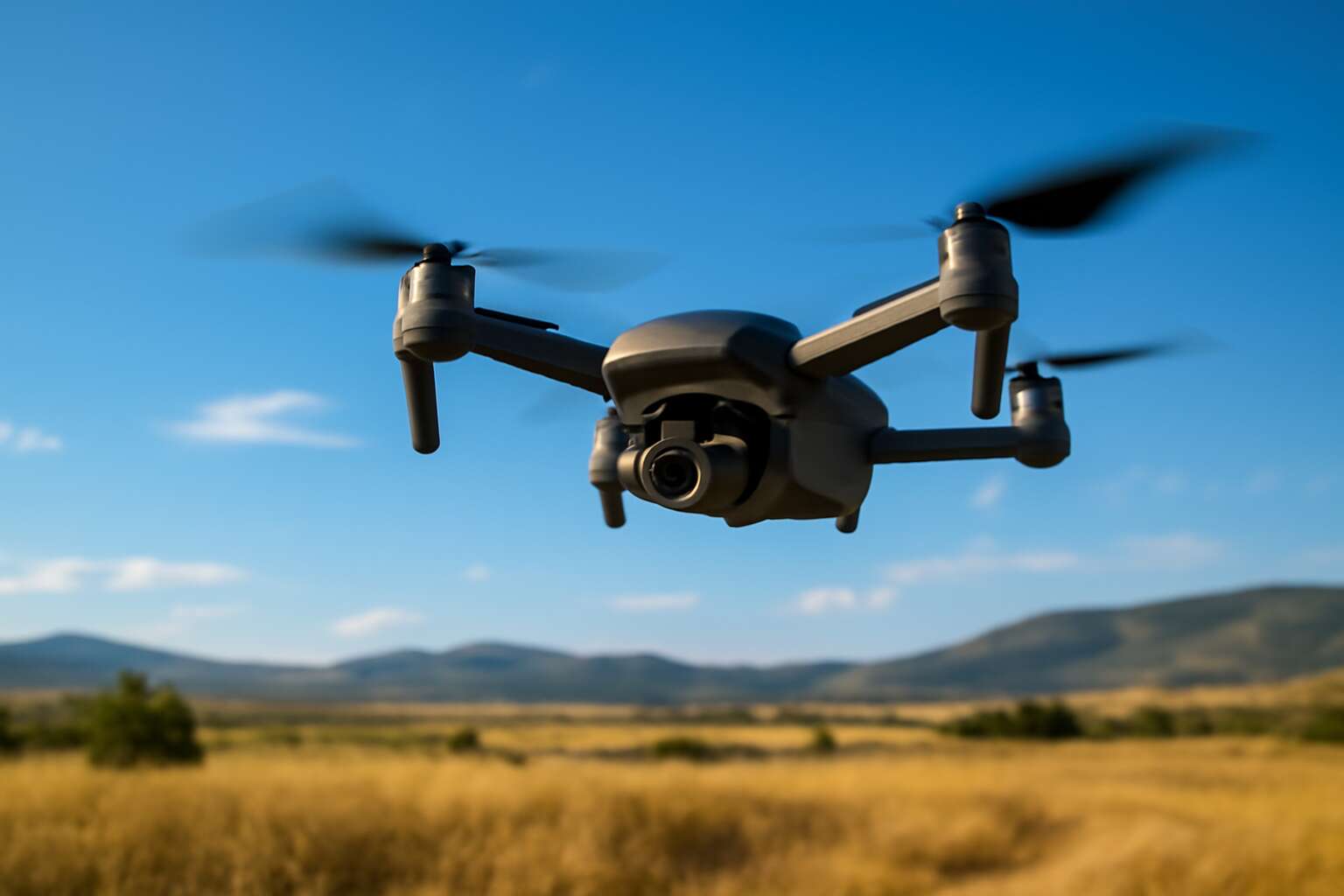
In South Africa’s fast-evolving tech scene, a simple question keeps surfacing: what are drones? They’re unmanned aerial systems—compact aircraft with cameras, sensors, and autopilot that can be steered from the ground or run on programmed routes. A recent stat catches the eye: more than 1 in 5 large farms now use drone imaging to monitor crops, boosting yields while cutting risk. This is more than gadgetry; it changes how we see fields, rooftops, and pipelines from above.
The fundamental core capabilities fall into three buckets: imaging, navigation, and autonomy. Here are key capabilities:
- Real-time aerial imaging and video capture
- GPS-guided navigation and stable hover
- Payload versatility (cameras, sensors, thermal)
As you picture South Africa’s diverse terrains, the definition of what are drones expands from novelty to practical tools that raise safety, efficiency, and insight in daily workflows.
Common Technologies Found in Drones
In South Africa’s tech scene, farming and city planning meet in the same airspace as drones. A striking stat I’ve seen: over 20% of large farms now rely on drone imaging to monitor crops, driving efficiency from seedbed to harvest. In this landscape, what are drones? They’re unmanned aerial systems—compact aircraft with cameras, sensors, and autopilot that translate a skyline into actionable data.
These systems rely on a handful of common technologies that keep them grounded in reality rather than sci-fi fantasies.
- Sensors and imaging payloads (RGB, multispectral, thermal)
- Stabilization and navigation (gimbal, IMU, GPS/GLONASS)
- Autonomy and safety (flight controller, waypoints, geofencing)
- Communication and power (RF links, data streams, high-density batteries)
Together, they turn an aerial glide into precise data streams that inform planning and on-the-ground decision-making—no more guesswork in the boardroom.
Key Flight Modes and Controls
South Africa’s airspace is turning into a smart grid for farmers and city planners alike. If you ask what are drones, you’re really asking how these skybound tools translate a horizon into strategy. They’re not sci‑fi fantasies but compact, camera‑laden aircraft that turn wind into data you can act on, from seedbeds to street plans. In practice, they glide with purpose, not bravado.
Key flight modes and controls include:
- Manual mode for full, hands‑on control
- Stabilize to maintain level flight when the breeze plays tricks
- Altitude Hold to lock height and keep framing consistent
- GPS Position Hold for steady imaging and hover
- Waypoint and Return‑to‑Home for autonomous routes and safety
These options let operators balance precision with practicality, turning a potential wobble into dependable data streams—without turning the cockpit into a chemistry lab.
Advantages and Limitations
Across South Africa’s fields and city corridors, drones are quietly rewriting the rules of observation. In this evolving landscape, what are drones but wind-powered sensors that translate data into decisions, reducing guesswork and speeding outcomes? They map drought stress, monitor harvests, and inspect infrastructure with a patient, tireless eye. The allure lies in precision: rapid scouting, repeatable measurements, and the ability to cover large areas with minimal cost.
- Efficiency and speed: rapid data collection over large areas
- Repeatable accuracy: consistent measurements across sessions
- Cost savings: reduced manual survey needs and risks
Yet, every boon bears a price. Weather sensitivity, limited flight time, data management demands, and evolving regulations temper the promise. Compliance with South Africa’s airspace rules, privacy considerations, and maintenance routines keeps flight plans from drifting into the margins.
Typical Use Cases Across Sectors
Across South Africa’s wind-washed plains and neon city corridors, what are drones but patient observers translating data into decisive action. In this evolving theatre, a single flight can reveal more than days of fieldwork: studies show surveys can be completed up to 60% faster, while repeated passes track subtle changes with uncanny fidelity. Drones are not fantasies of the future; they are instruments that honour precision, speed, and resilience.
Typical use cases across sectors include:
- Agriculture: crop health assessment and irrigation optimization
- Infrastructure: bridge and utility inspections
- Media: aerial cinematography and surveying
- Public safety: search-and-rescue and incident mapping
- Conservation: anti-poaching and habitat monitoring
From the veld to the skyline, these aerial sentinels bend time and distance, weaving data into decisions with quiet, inexhaustible gravity.
Drone Types and Form Factors
Consumer vs Professional Drones
If you’re wondering what are drones, you’re not alone. I’ve seen them rewrite how we inspect, map, and create here in South Africa. These agile machines carry not just cameras, but a new sense of timing—data delivered where people used to wait weeks for reports.
Drone types and form factors break into consumer and professional realms, each with distinct DNA. A few main strands shape the landscape:
- Consumer drones: compact, easy to learn, built-in safety features.
- Prosumer models: better cameras and controls for enthusiasts transitioning to production work.
- Professional-grade systems: high-end sensors, interchangeable payloads, longer flight times.
- Industrial or fixed-wing platforms: endurance for surveying large sites and long corridors.
In practice, the choice hinges on payload needs, flight time, and operating environment. Consumer types suit quick, lower-risk tasks; professional and industrial platforms handle precision work, higher budgets, and tougher terrain—think mine sites, farms, or film sets. It’s a partial awakening: tools that reveal reality with crisp clarity and moral responsibility.
Fixed-Wing vs Rotary Drones
what are drones? Picture a scout helicopter and a high-speed glider rolled into one, and you’re close. In South Africa, fixed-wing and rotary platforms have become the new tools for everything from field surveys to coastline watches. They’re not just toys; they are timing devices that deliver data where reports used to drag their feet, with a punchy efficiency that would make a Cape wind blush.
Fixed-wing vs rotary at a glance:
- Fixed-wing: long endurance and efficient mile-covering for large-area mapping.
- Rotary: precise hover and flexible inspections in tight spaces.
- Takeoff/landing: fixed-wing often needs runway or launch, rotary takes off vertically.
- Payload and cost: fixed-wing routes can be economical; rotarys allow quick payload swaps.
In practice, the choice boils down to mission tempo, space, and payload. In South Africa’s varied landscapes, fixed-wing drones shine across open tracts, while rotary drones flex their muscles in controlled environments and on-site checks.
Small FPV Drones
Small FPV drones zip through spaces with the speed of a thought. what are drones? They’re compact machines built for speed, agility, and real-time video. In South Africa, palm-sized flyers excel in tight spaces—from indoor inspections to close-range cinematic shots and spirited races. These tiny flyers punch above their size! They come in a few form factors that flip the script on how you capture data or stories in the air.
- Micro FPV quads (sub-100 g)
- Mini FPV quads (100–250 g)
- Racer-ready builds with robust flight controllers
Micro FPV drones sit at the edge of tiny, featherweight control—perfect for quick hops and safe navigation around obstacles. Mini FPV drones add a touch more stability for longer flights and smoother footage. These tiny forms dramatically expand what you can capture in tight spaces, from sports sidelines to workshop floors.
Industrial and Special-Purpose Drones
Industrial and special-purpose drones extend the reach of professionals—from engineers in South Africa’s rugged mining corridors to safety teams along wind-swept coastlines. what are drones? They are purpose-built machines that blend lifting power, rugged sensors, and dependable flight control to endure tough conditions. In this category, the form factors favor endurance and payload capacity: fixed-wing platforms for long surveys and hybrid VTOLs that switch from vertical lift to efficient cruise. Payloads include thermal cameras, LiDAR, gas sensors, and high-resolution optics, all tied to real-time data links and robust cybersecurity.
Here are essential industrial configurations that shape how data is captured in the field:
- Fixed-wing survey drones for large-area mapping
- Hybrid VTOLs for tough, multi-terrain jobs
- Heavy-lift multirotors for equipment inspection
- Tethered platforms for continuous power and stability
Choosing the Right Form Factor for Your Project
One drone can map a square kilometre in an afternoon. what are drones? They’re compact, unmanned platforms that carry sensors, data links, and dependable flight control, built to endure harsh conditions. The big decision isn’t size—it’s form factor. For field-heavy work, fixed-wing designs excel at long surveys, while hybrid VTOLs blend vertical lift with efficient cruise. Add payloads such as thermal cameras, LiDAR, or high-res optics, and you gain a portable data hub in the sky.
Here are essential industrial configurations that shape how data is captured in the field:
- Fixed-wing survey drones for large-area mapping
- Hybrid VTOLs for tough, multi-terrain jobs
- Heavy-lift multirotors for equipment inspection
- Tethered platforms for continuous power and stability
How Drones Work: Core Components
Airframe, Propulsion, and Aerodynamics
Robotics in your pocket? Not quite, but close. What are drones? They’re compact aircraft powered by three pillars: a sturdy airframe, efficient propulsion, and aerodynamics that tame the wind. This trio keeps cameras steady, sensors precise, and flight predictable enough for South African sites—from rural farms to urban rooftops.
Airframe is the skeleton that carries everything: lightweight materials, corrosion resistance, and a layout that balances weight and stiffness. Think carbon fiber or smart plastics. A robust frame handles vibrations and lets the propulsion system do its job without rattling your recordings.
Propulsion and aerodynamics work in concert to lift, thrust, and steer. A quiet, efficient motor paired with well-chosen propellers keeps power use sane and wind resistance manageable. This is where what are drones becomes practical engineering.
- Motor-Propeller pairing for efficiency
- Center of gravity and balance
- Drag reduction via streamlined design
Flight Controller and GPS Systems
Drones are not mere gadgets; they’re agile data platforms in the sky. So, what are drones? They’re compact aircraft powered by a flight controller, GPS, and a constellation of sensors that turn wind into measurements. I’ve seen that transformation happen right over fields and towns, and the effect is quietly revelatory.
The flight controller is the brain—sifting sensor whispers from IMUs, barometers, and compasses to keep yaw, pitch, and roll in harmony. The GPS system anchors the craft to a position, guiding return-to-home and waypoint routines with quiet assurance.
- Flight Controller—the brain orchestrating inputs and decisions
- GPS System—provides location, velocity, and route references
- Inertial Measurement Unit (IMU) and Barometer—sense motion and altitude for stability
Together, these components build the ballet of stability and precision that powers South African fieldwork—from mapping estates to monitoring pipelines, and it never ceases to awe me!
Sensors, Cameras, and Imaging Technologies
Across South Africa’s fields and townships, drones translate wind into data faster than any ground instrument can dream. So, what are drones? They are compact aircraft steered by a smart brain, driven by a flight controller, GPS, and a suite of sensors that turn air into actionable insight.
- Sensors and IMUs for motion and stability
- High-resolution cameras and gimbals for steady imagery
- Imaging technologies like multispectral and thermal sensors
On board, RGB cameras capture crisp visuals while gimbals keep footage steady; multispectral sensors reveal crop health, and thermal equipment spots heat patterns that tell stories of leaks or stress. I’ve watched a farmer follow a thermal map at dawn, finding a leaky pipe before wakeful livestock do.
Power Systems, Batteries, and Endurance
Across South Africa, a drone survey can cover a square kilometer in under 10 minutes, turning time into data. The answer to what are drones lies in their energy chain. They are compact aircraft powered by a smart flight controller, an efficient propulsion system, and high-energy batteries that translate wind into actionable insight. The powertrain links battery packs to brushless motors, spinning propellers to generate lift, while on-board power management keeps systems stable even in gusts.
Endurance hinges on more than battery capacity. It’s a balance of weight, propulsion efficiency, and flight profile.
- weight and payload
- motor efficiency and propeller design
- battery chemistry and discharge rate
- environmental conditions such as wind and temperature
That balance shapes how quickly air-derived data arrives across farms, townships, and industrial sites, turning compact power into expansive perspective.
Onboard vs. Ground-based Processing
Across the SA skies, what are drones? They’re compact aircraft wired to a smart flight controller, an efficient propulsion system, and energy-dense batteries that coax lift from the wind—with a touch of fate in every gust. In a single mission they can scan hectares or inspect critical infrastructure, turning fleeting moments into decision-ready insight.
Onboard processing keeps the flight safe and efficient, handling stabilization, obstacle awareness, and basic mapping in real time. It minimizes latency and guards against gusts by adjusting controls as the drone leans into the wind.
Ground-based processing takes the long view—rich analytics, data fusion from multiple flights, and scalable storage that fuels post-flight decisions.
- Onboard processing: real-time stabilization, immediate alerts, low latency.
- Ground-based processing: advanced analytics, data fusion across missions, enhanced reporting.
Together, the onboard and ground-based split powers every mission, from field surveys to infrastructure audits.
Applications Across Industries
Aerial Photography and Videography
From Cape Town to the Highveld, aerial imagery reshapes how we tell space. The question is what are drones but wings that turn landscapes into living narratives and shorten shoots across South Africa.
Here are some sectors where aerial photography and videography elevate storytelling:
- Film and advertising
- Real estate and architectural visualization
- Agriculture and environmental monitoring
- Infrastructure and public works
In practice, crisp stills and graceful motion capture reveal textures and moods that ground-level shots miss. From dramatic coastal cliffs to sweeping savannahs, the medium invites viewers into the scene with a human, curious gaze.
Agriculture and Environmental Monitoring
In South Africa’s sprawling farmlands, modern agriculture leans on a new storyteller: what are drones? They are compact aerial sensors that turn fields into living dashboards, delivering real-time feeds across crops, pastures, and orchards. A farmer can spot trouble from the sky long before it shows on the ground, saving time, water, and money.
Aerial applications that shine include:
- Precision crop monitoring and early stress detection
- Soil moisture and irrigation management
- Pest and disease scouting with targeted interventions
Beyond fields, environmental monitoring benefits from high-resolution surveys of water bodies, wetlands, and biodiversity. Drones map changes in vegetation, track erosion hotspots, and monitor riparian habitats—tools that help safeguard South Africa’s landscapes while keeping an eye on drought and wildfire risk. So, what are drones? They are multipurpose tools for ecosystem health, monitoring, and storytelling.
Construction and Infrastructure Inspection
On South Africa’s bustling construction sites, a drone works the day shift as the sky’s project manager—refining progress, surveying terrain, and catching issues before they become unfixable. As one industry voice quips, “Drones don’t replace inspectors; they expand what we can see.” They glide over cranes and concrete, turning messy realities into crisp, shareable data—faster decisions and safer sites.
To answer what are drones, imagine compact pilots armed with high-resolution cameras, lidar, and thermal sensors that skim across the job site, measuring volumes, scouting for faults, and documenting every milestone. They scale walls with the precision of a meticulous auditor, all while keeping safety front and centre.
- Progress monitoring and as-built documentation
- Structural inspections of bridges, towers, and tunnels
- Earthworks volume calculations and terrain mapping
In construction and infrastructure inspection, these tools translate into real-time risk assessment, tighter schedules, and better asset longevity on South Africa’s projects—from highways to high-rise developments.
Delivery and Logistics Innovations
In 2024, drone-enabled deliveries shaved last-mile times by as much as 40% in piloted urban trials. What are drones? They’re compact, agile messengers turning skylines into delivery lanes, marrying precision with speed in real-world logistics.
Across industries, they unlock rapid, contactless fulfillment and dynamic routing that adapts to traffic, weather, and demand surges. In South Africa, this translates to resilient supply chains—from city-center micro-fulfillment to remote mining camps and regional retailers.
- Urban micro-fulfillment and same-day parcel delivery
- Aerial inventory checks and shelf-to-door stock reconciliation
- Time-critical replenishment and live-route re-planning
These moves stitch efficiency into the fabric of delivery ecosystems, turning complexity into actionable data and speed into reliability.
Public Safety and Emergency Response
In South Africa’s urban heart, drone-enabled public safety trials are reshaping how quickly help arrives, with response times slashed by up to 40% in city pilots.
For many readers, what are drones? They’re compact, agile sentinels—airborne tools that stitch real-time data into decision-making.
- Urban search and rescue reconnaissance in complex environments
- Rapid hazard assessment and casualty triage at scenes
- Dynamic perimeter monitoring and traffic guidance for responders
In South Africa, these capabilities connect urban centers with rural communities, supporting police, municipal services, and disaster management agencies.
Media, Gaming, and Entertainment Use Cases
Media, gaming, and entertainment reveal the answer to what are drones: they are portable storytelling platforms. In the hands of directors and designers, a drone glides from aerial establishing shots to intimate close-ups with uncanny precision. “Drones are the new vantage point for narrative,” a South African cinematographer notes. This question—what are drones capable of in creative pipelines?—unfolds as studios braid aerial imagery with CGI, turning open spaces into immersive stages. A revelation for the craft!
- Live event coverage with aerial establishing shots and dynamic follow-cam moves
- Virtual production integration—tracking shots and CG integration for seamless worlds
- Drone light shows and branded experiences at festivals and campaigns
Across South Africa, media houses, game studios, and festival producers discover how what are drones unlock for storytelling beyond the screen; these tools scale creatively and economically, enabling unique vantage points and interactive experiences that resonate with audiences.
Safety, Privacy, and Legal Considerations
Airspace Rules, Certifications, and Licensing
Drones drift between promise and precaution, and safety, privacy, and law stand as the three pillars guarding the skies. what are drones becomes more than hardware; it becomes a chorus of responsibility that echoes through every flight, every frame captured, every share disseminated.
Guiding lights in South Africa include these overarching considerations:
- Airspace rules and altitude restrictions
- Pilots’ certifications and operator qualifications
- Drone registration and licensing with SACAA
- Privacy safeguards and data handling
In a landscape where rules shape innovation, compliance anchors every expedition and protects the public’s trust.
Privacy and Data Handling Best Practices
Skies are crowded with data; every flight leaves a footprint. So, what are drones? They’re more than whirring hardware; they’re social tools that require discipline behind the controller and respect for those on the ground. Navigating this terrain means guarding people’s privacy, ensuring data handling is responsible, and staying within the bounds of law to protect the public’s trust and the integrity of the work.
Privacy and data handling best practices include:
- Data minimization: collect only what’s essential
- Strong encryption for storage and transmission
- Clear retention timelines and secure disposal
Done thoughtfully, this approach respects the public and sustains trust as drone work grows.
Safety Standards, Maintenance, and Incident Reporting
Across Africa, drone-enabled inspections have boosted project efficiency by up to 40% in infrastructure work last year. What are drones? They’re disciplined partners that blend craft with code, demanding respect from the ground and a measured approach to risk.
Safety standards begin with rigorous preflight checks, routine maintenance, and documented incident reporting. A well-run program tracks battery health, firmware status, and environmental conditions to prevent surprises in flight.
- Preflight checks and defect logging
- Maintenance schedules and component inspections
- Incident reporting pathways for accidents or near-misses
In South Africa, this mindset protects people and property, keeping operations compliant as airspace rules evolve and reminding operators that responsibility sits at the heart of every mission.
Best Practices for Responsible Drone Operations
So, what are drones? They are disciplined partners that blend sensing with governance, capable of mapping landscapes from above while demanding a measured respect for airspace and people. I’ve learned to read their flights as a quiet conversation between craft and code, turning risk into audited insight and cautious opportunity!
In South Africa, privacy and legal considerations are not afterthoughts. Data handling under POPIA, and operations under CAA rules, demand transparency, consent where possible, and clear boundaries about what imagery is captured, stored, and shared.
Best practices emerge from restraint and accountability.
- Data minimization and purpose limitation
- Secure storage and defined retention
- Public-facing disclosures of drone activities
Buying Guide and Future Trends
Selecting by Use Case and Budget
The most valuable view comes from above, and what are drones is a lens through which risk becomes clarity and opportunity becomes action. I’ve watched South African teams balance budgets with ambitious projects, choosing tools that serve the mission rather than the hype.
Future trends point toward smarter autonomy, longer endurance, and resilient sensors that matter on rugged terrain. To choose wisely, consider:
- Use case and payload needs
- Total cost of ownership and maintenance
- Regulatory readiness and safety features
- Reliability in variable conditions
In this light, the path from curiosity to a trusted instrument is one of alignment—between vision, budget, and the horizon you intend to reach.
Key Features to Compare
what are drones but curious eyes mapping the unseen—turning wind and data into direction! In South Africa’s buzzing mix of farms, mines, and media, they cut through uncertainty—A recent market pulse notes a 40% faster data-to-action cycle when aerial data enters the workflow. A wise buyer watches endurance, sensor robustness, and the quiet logic of autonomy—choosing tools that serve the mission rather than the hype. The buying guide speaks to today’s edge, while future trends murmur of smarter autonomy, longer endurance, and rugged sensors that endure rugged terrain, aligning vision with budget and a horizon you intend to reach.
- Endurance and power management for longer missions
- Sensor versatility and data integrity in varied terrain
- Autonomy levels and fail-safes for safer operations
- Local support, parts availability, and service networks
In this dialogue between capability and context, the tapestry of choice unfolds—where what are drones becomes a trusted instrument in South Africa’s skies and fields.
Upcoming Technologies and Market Trends
Around South Africa’s farms, mines, and media, aerial insight speeds decisions; recent market pulse notes a 40% faster data-to-action cycle when drone data enters the workflow.
What are drones? They are data engines that translate wind into maps, scans, and measurements. For those asking what are drones, they are flexible assets that turn weather and terrain into actionable insight.
Upcoming technologies and market trends point to smarter autonomy, longer endurance, and rugged sensors ready for harsh terrain.
- Edge processing and real-time analytics
- Rugged, dust-tolerant sensors
- Modular power and rapid swap batteries
Training, Certification, and Resources
In practical terms, what are drones but data engines that translate wind into maps, scans, and measurements? Across South Africa’s farms, mines, and media landscapes, these airborne tools turn weather and terrain into actionable insight, accelerating decisions where time matters.
When buying, focus on training, certification, and reliable support. The SACAA RPAS framework guides licensing and safe operation, while accredited courses build proficiency in flight skills, data handling, and privacy practices. Future trends lean toward modular credentials and ongoing updates to keep pace with safety standards and technology shifts.
Resources and pathways include:
- Accredited RPAS training and certification providers in SA
- SACAA guidelines, licensing updates, and approved operating procedures
- Maintenance, inspection checklists, and reliability programs
- Industry associations, user groups, and online knowledge bases

0 Comments