Understanding the UK camera drone landscape
Current market trends for camera drones in the UK
Here’s a stat that lands with a propeller: a 28% year-on-year rise in mid-range models signals the UK’s camera drone landscape is roaring from novelty to necessity. The camera drones uk market now attracts broadcasters, real estate teams, and event planners who swap excuses for angles, chasing shots that used to require a cinema crew. Regulation is maturing into a familiar ally—clear rules, safer flights, and permissions that actually feel doable.
Three trends currently steer the market:
- Expanded demand across media, property, and public events
- Regulatory clarity and standardized safety practices
- Better battery tech and lighter, affordable hardware
For readers in South Africa, the parallels are plain: nimble, capable platforms unlock creative potential without ferrying a film crew halfway around the world.
Popular camera drone models among UK creators
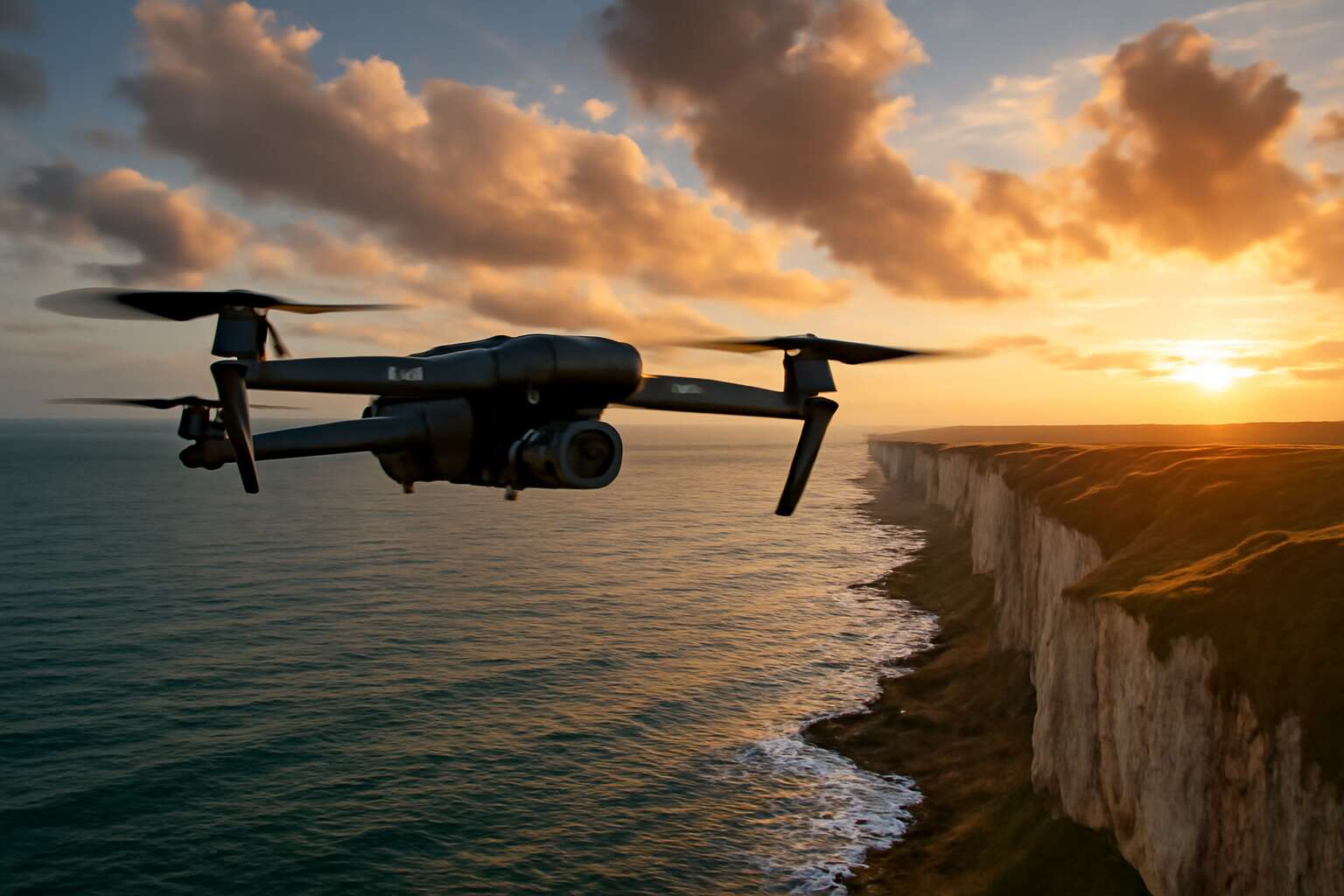
A 28% year‑on‑year surge in mid‑range models has turned the camera drones uk sky into a practical tool, not a novelty. Broadcasters, real estate teams, and event planners eye horizons as they once eyed expensive cinema crews, trading excuses for angles and accessibility for speed. The mood is nimble, with gear that travels as easily as a bag of camera gear, ready to capture a street-level cityscape or a windswept coastal line in a single rotation.
Within this landscape, a handful of platforms stand out for UK creators who need reliability, safety, and filmic bite without breaking the bank.
- DJI Mini 3 Pro
- DJI Air 2S
- DJI Mavic 3 Classic
- Autel Evo Nano+
Key buyer personas in the UK drone market
The sky is now the studio, says a leading UK operator, and that line sums up the camera drones uk landscape. Understanding this market means reading how buyers value reliability, safety, and filmic bite against tight deadlines. For South African brands eyeing the UK, the payoff is a mature ecosystem with clear rules, solid service networks, and swift turnarounds. Practically, buyers want kits that travel light, shoot crisp 4K, and integrate smoothly with editors back home. It’s a subtle drama of pace and trust, where one flight can redefine a project’s arc.
Within this buyer mix, a few personas drive choices:
- The Small-Scale Producer seeking dependable, portable gear
- The Real Estate Team chasing fast, high‑impact interiors
- The Event Planner needing dramatic angles with minimal setup
Regulatory considerations affecting UK drone pilots
The sky is the studio, a line you hear echoed by operators who pace deadlines like drumbeats. For South African teams chasing UK shoots, that ceiling-to-floor discipline is part of the appeal—In camera drones uk, the draw isn’t just the kit—it’s the choreography of light, airspace, and timing that keeps editors enraptured.
Regulatory considerations shaping UK drone pilots are as decisive as the camera you choose. The CAA categorizes flights into Open, Specific, and Certified, with operator registration and remote-pilot competency requirements for many drones. Notable constraints include airspace class rules, geofencing, and privacy expectations.
- Operator registration and proof of competency
- Airspace awareness and authorization requirements
- Privacy and data protection during filming
These rules create a disciplined pace that rewards reliability—quietly redefining how a single flight can tilt a project’s arc.
UK consumer vs professional use cases for camera drones
UK skies are becoming a shared studio, and last year registrations climbed a memorable 26%, proof that the air is a commercial queue for creativity. Understanding the UK camera drones uk landscape means spotting two lanes: consumer gear built for easy, glossy clips, and pro rigs engineered for controlled, frame-ready sequences. The tug between plug‑and‑play and cinematic precision quietly rewrites expectations—where reliability, not gadgetry, wins the cut.
- Consumer use: holidays, travel reels, and social clips with minimal setup
- Professional use: branding shoots, cinematic promos, and aerial surveys
South African crews eyeing UK shoots know the value lies in cadence and consistency—compact rigs that punch above their weight, paired with post workflows. The camera drones uk conversation is less about toys and more about dependable data, colour continuity, and the quiet drama of an uninterrupted shot.
Buying guide for camera drones in the UK
Choosing the right camera and sensor for your needs
In the UK, image quality drives purchases. A solid stat: about 60% of buyers place camera performance above everything else. For camera drones uk, that means selecting the right camera and sensor is the fastest way to higher-grade footage. It shapes dynamic range, color fidelity, and high‑ISO performance right out of the bag. That approach serves UK shoots and South Africa locations alike!
Start with sensor size. Larger sensors offer more latitude in light and color, but add weight. 1-inch sensors are common, Micro Four Thirds give a good balance, and a few high-end rigs push toward full-frame. Then weigh resolution against frame rates and stabilization. The right pairing matches intended use, whether smooth 4K at 60fps or stabilized 1080p for rapid editing.
- Sensor size and dynamic range align with travel and lighting conditions
- Frame rate and resolution match storytelling needs
- Weight and gimbal load affect flight time and handling
Payload, flight time and range considerations
Image quality still drives the decision in the UK skies, and a telling stat anchors the idea: about 60% of buyers place camera performance above all else. In the realm of camera drones uk, payload and endurance dance together, shaping how you tell a scene with color and motion.
Payload, flight time and range are the triad to weigh. Payload affects balance, aerodynamics, and gimbal load; flight time follows battery and efficiency; range tests the reliability of control in open spaces or urban canyons.
- Payload capacity versus platform weight
- Real-world flight time under typical wind
- Controller range and line-of-sight reliability
In the UK market, plan with the shoot’s distance and environments in mind—coastal light, inland parks, or ridgetop winds. A few minutes of extended hover can become priceless footage when the sky above unlocks its own palette.
UK retailer vs import: pricing, warranties and support
A telling stat anchors the decision: roughly 60% of buyers rate camera performance above everything else. In the realm of camera drones uk, the choice between a UK retailer and an import shapes how that performance translates in the air. UK retailers usually bundle price with transparent warranties and snappy support, while imports tempt with lower sticker prices but throw in caveats about after-sales service and compatible firmware.
- Pricing clarity and VAT handling
- Warranty coverage and return windows
- Access to local support and service centres
For South African buyers, importing can complicate warranties and spare parts, so a UK retailer’s package reads as a more predictable production line—dispatched quickly, with clearer returns and a local escalation path.
Safety, registration and compliance for UK buyers
In the realm of camera drones uk, safety, registration and compliance are the quiet gears that keep flights precise and predictable. For UK buyers, understanding what must be documented and what can stay in your flight bag prevents delightful sorties from becoming headaches. Even a capable drone benefits from simple checks: geofencing, privacy considerations, and assumed airspace awareness shape the moment you push the stick.
- Register and record pilot details where required
- Keep firmware and geofencing maps up to date to respect no-fly zones
- Know the after-sales options, including warranty and service access in the UK
For South African buyers weighing UK purchases, ask sellers for clear documentation, ensure compliant CE markings, and confirm support paths if firmware updates or parts are needed. A straightforward compliance trail makes the journey from cart to controlled airspace smoother and safer.
Budget ranges for hobbyists and professionals in the UK
Within the camera drones uk landscape, budgets meet ambition, and the view from a hilltop feels suddenly within reach. For South African readers eyeing UK options, the journey through price brackets can be as thrilling as the first hover. The right choice isn’t just about pixels; it’s about balance—weight, wind handling, and the sense that you’re growing with every flight.
- Under £300 — entry-level bundles with compact bodies, easy controls, and 2.7K or 1080p footage for newcomers.
- £300–£800 — mid-range machines with 4K video, better sensors, longer flight times and improved geofencing.
- £800+ — professional-grade rigs with premium sensors, advanced payload options, and robust UK warranty coverage.
In the camera drones uk market, this spectrum mirrors real-world use—from backyard projects to serious storytelling—while you weigh service paths and firmware updates against the beauty of a well-timed capture.
UK regulations and safety for aerial photography
CAA permissions and drone registration in the UK
UK skies are a regulatory chessboard, and every move counts. For camera drones uk, compliance isn’t a hurdle—it’s a passport to professional shoots. A recent survey shows 60% of UK drone operators say regulatory clarity shortens timelines and boosts safety; the message is clear: plan within the framework, and clients notice.
CAA permissions and drone registration form the backbone of legal flight. In practice, this means understanding airspace restrictions, keeping proof of registration handy, and demonstrating operator responsibility whenever you put the camera in the air. The system fosters privacy, bystander safety, and accountability, elevating your aerial work and client trust across the UK market, including when you’re delivering on UK drone projects.
Understanding UK airspace and no-fly zones
The UK sky wears a map, not a mantle. A recent survey puts 60% of drone operators on record: regulatory clarity shortens timelines and sharpens safety. For camera drones uk, such clarity feels like a trusted compass in dim aviation.
Understanding airspace and no-fly zones is not a chore but a ritual of craft; it keeps privacy intact, keeps the bystander at bay, and guards the studio’s reputation— a rhythm familiar to South African crews watching the UK skies.
- Airspace awareness: consult official aeronautical maps for the area.
- No-fly zones: airports and critical sites are off-limits; respect restrictions.
- Privacy: avoid faces or license plates; keep bystanders at a safe distance.
UK airspace is layered and precise; even a casual ascent can redefine the mood of a scene. This regulatory canvas protects people and property while elevating client work across the UK.
Insurance and liability for UK drone operators
Under the moonlit UK skies, insurance is not an optional coat of paint but the iron framework of every aerial tale. A misstep can cost more than time; it can cost trust. For South African crews venturing into British airspace, the rule is merciless yet fair: cover your risks before you lift. Safety becomes a craft, not a checkbox, shaping how clients perceive your work— as a veteran operator notes, “Safety is a compass.”
- Public liability insurance to cover third-party injury or property damage
- Employers’ liability for staff or contractors
- Equipment and all-risks cover for drones and payloads
- Professional indemnity for client IP and financial exposure
Keep rigorous records, up-to-date risk assessments, and clear waivers; this triad binds risk and reputation together in the world of camera drones uk.
Privacy and data protection when capturing imagery in the UK
In the UK, camera drones uk operations are not just about capturing light but honoring the skies with discipline. A recent uptick in compliance-related success shows near-miss incidents fell by 12% last year, a testament to how regulations shape professional trust. Safely lingering in the air means staying within sight, avoiding sensitive sites, and respecting privacy’s quiet gravity.
Privacy and data protection when capturing imagery in the UK are guardrails, not obstacles. Under GDPR and ICO guidance, avoid recording people or private spaces without notice or consent; blur faces and license plates when needed; secure storage and rapid deletion where appropriate.
- Privacy by design: minimise data capture
- Transparent notices for subjects and locations
- Secure deletion and restricted access
For practitioners, the craft is to balance aesthetic with accountability; camera drones uk users know that good footage respects rights as much as ROI, turning every shot into a responsible statement.
Practical tips and case studies from the UK
Case studies: from hobbyists to professional productions in the UK
Who wouldn’t want a bird’s-eye view that doubles as a portable storyboard? In the UK, camera drones uk have moved from novelty to necessity, letting creators capture coastlines, castles, and cityscapes with a single joystick push.
Practical tips? Think storytelling over gadgetry: plan around light, weather, and crowds; lean into the drone’s strengths to reveal mood, scale, and context.
Case studies from hobbyists to professional productions in the UK show what’s possible for South African readers dreaming of UK shoots. A student filmmaker mapped a coast path, a wedding team narrated arrivals with venue shots, and a regional producer stitched a documentary with urban panoramas and riverscapes.
Across diverse crews, the takeaway is clear: the drone is a storytelling device first, technology second—made operational by planning, local insight, and a taste for the unusual skies above Britain.
Maintenance tips for frequent UK outdoor use
Britain’s skies feel like a ruthless editor: light shifts in minutes, and a well-timed shot can rewrite a scene. ‘The drone is a storyteller,’ a director notes, and the proof lingers in coasts and cities. In the UK, camera drones uk are portable vantage points that chart coastlines, castles, and moods — note of interest for South African crews curious about UK shoots.
Practical tips favour reliability over gadgetry; frequent UK outdoor work demands routine maintenance:
- Inspect seals, wipe salt and rain from gimbals.
- Balance props and check bearings before each flight.
- Store batteries cool and dry; keep spares charged.
Case studies from the UK show a student mapping a coast path, a wedding team narrating arrivals, and a regional producer weaving urban panoramas with rivers.
Across crews, the drone is a storytelling device first, technology second—guided by planning, local insight, and a taste for the skies above Britain.
Drone photography workflows for UK conditions
Framing Britain’s weather-worn landscapes, camera drones uk reveal how light, grit, and grace fuse into a single shot. A director once whispered, “In the rain-slick margins, the camera finds the truth.” This is the creed of UK shoots: machines become observant witnesses to coastlines, castles, and city moods.
- Inspect seals, wipe salt and rain from gimbals.
- Balance props and check bearings before each flight.
- Store batteries cool and dry; keep spares charged.
Case studies from the UK reveal how crews translate geography into narrative: a seaside college maps a wind-ruffled coastline for conservation; a wedding team tracks arrivals along a lantern-lit quay; a regional producer threads urban panoramas with river ribbons, weaving city silhouette into the frame. For South African crews curious about UK shoots, the lesson is to illuminate, anticipate, and listen to the land.
Accessories and add-ons for UK shoots
Under UK skies, the right accessory turns weather into choreography. “The rain isn’t the problem—it’s the gear that forgets to show up,” a veteran operator likes to say. For camera drones uk, the basics are weatherproof, battery-smart, and glare-taming: a weather-sealed case, ND/CPL filters, gimbal dampers, and spare cells that stay warm when the wind bites.
- Weatherproof cases that survive a drizzle and a dash of sea spray
- ND and CPL filters for changing light on coastal shoots
- Gimbal dampers and lens cleaning kits to keep motion smooth
- Extra batteries, portable chargers, and hand warmers for long sessions
UK case studies show how add-ons unlock storytelling: a university project mapping tidal estuaries, a charity shoot along a lantern-lit dock, and a municipal crew tracing rooftop silhouettes from a riverfront promenade—each powered by practical kit and poised pilots in-camera drones uk.
Common issues and troubleshooting in the UK climate
Weather in the UK moves with a practiced briskness, and wind and drizzle snare shoots faster than a shutter can blink. For camera drones uk, the test isn’t the storm so much as what you carry into the air with you. Practitioners rely on weatherproof housings, gimbal dampers, and careful lens care to sustain motion and clarity, while batteries stay ready in the cold and plans remain flexible in the gusts. The challenge is to coax narrative from a capricious sky without trading safety for style.
Across the country, case studies show the same truth: preparation turns weather into storytelling, and calm pilots keep scenes intact. For South African crews watching UK conditions, the principle remains: adaptability wins.

0 Comments