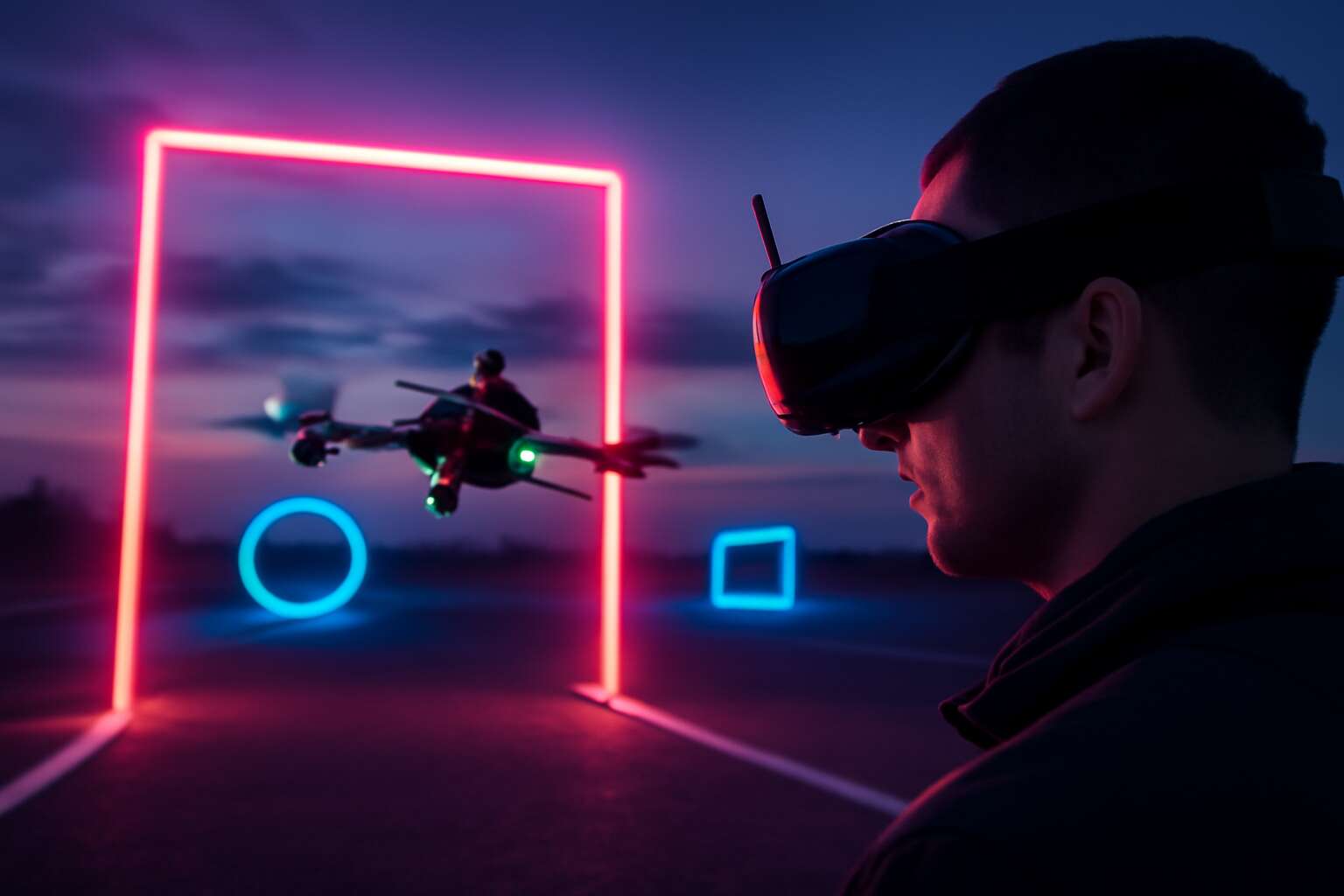
FPV Drone Guide Outline
Section 1: FPV Drone Fundamentals
In the South African sky, the thrill of flight meets the patience of practice. A recent glimpse into hobbyist flights shows nearly 40% of new fpv drones pilots discover a new way to tell a story through light, shadow, and speed. Fundamentals ground that rush, making every lift meaningful.
Grounding basics start with simple, repeatable steps:
- Foundations of situational awareness—wind, terrain, and line of sight
- Core flight controls—throttle, yaw, pitch, and roll as a language of movement
- Regulatory and safety context—local rules, airspace etiquette, and community responsibility
In practice, the wind teaches more than a manual can; patience and observation turn hesitation into control, and community on the veld teaches cooperation that keeps both pilots and landscapes safe.
Section 2: Choosing Your First FPV Kit
In SA skies, first-time pilots lean toward modular kits. About 40% opt for build-your-own systems over ready-to-fly bundles, seeking flexibility and a longer learning curve that pays off.
Choosing a kit means weighing weight against durability, size against portability, and the ease of sourcing parts locally. For fpv drones, compatibility matters: frame size, motor KV, ESC amperage, and flight control software should align with your goals and local conditions.
Consider local support, spare parts, and service networks in South Africa; the right kit keeps you flying when a part fails on a veld excursion. A thoughtful starter can become a reliable platform that grows with skill.
Section 3: FPV Drone Components and Upgrades
Quality is never an accident—it’s the sum of smart upgrades in fpv drones. Swap in a motor with more torque and smoother ESCs, and the flight feels crisper and hungrier for speed. Upgrades become the science of getting more with less noise and weight.
- Motors and props: better torque, optimized KV, and materials
- ESCs and power: amperage rating and smooth braking
- Flight controller: sensors and firmware for stable yaw and pitch
- FPV camera and video transmitter: latency, color, and range
- Antenna and receiver diversity: robust link in tricky winds
- Battery and power setup: higher C-rating and capacity choices
- Frame and build quality: rigidity meets lightness
In the South Africa scene, component choice mirrors local realities—availability, spare parts, and service networks shape every upgrade. For fpv drones, the right mix survives a veld excursion and keeps repairs accessible, cheerful, and ready to fly.
Section 4: Flight Training, Safety, and Regulations
In South Africa’s skies, nearly 70% of new fpv drones operators who complete formal flight training report calmer nerves and safer landings. Section 4 guides flight training, safety, and regulations—an essential compass for explorers from the veld to the coast. Knowing SACAA rules and local airspace practices keeps the adventure legal and the machines reliable, even when a stubborn gust pulls at the stick.
Three guiding pillars anchor responsible flying:
- Training mindset that blends practical flight with sound theory
- Safety culture, including clear spotter roles and strong situational awareness
- Regulatory awareness with proper documentation and local airspace rules
Beyond lessons, SA clubs, simulators, and friendly meetups turn curiosity into confident control. The wind, veld, and cityscape add texture to the craft, reminding pilots that respect for limits keeps flying as an art and a science. For aspiring fpv drones pilots, this balance makes the journey vibrant and enduring.
Section 5: FPV Aerial Action: Racing, Filmmaking, and Hobbyist Tips
Across South Africa’s skylines, fpv drones turn air into a living canvas where speed kisses artistry and the horizon suddenly feels tangible. The thrill is immediate, the view intimate, and every flight becomes a whispered poem to wind and light.
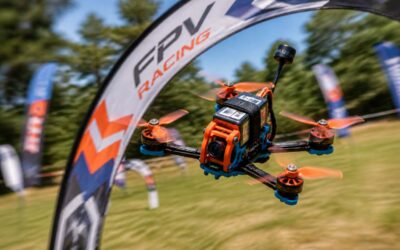
Racing hones reflexes and perception, guiding pilots through tight lanes with a dancer’s balance while gusts and sunlit shadows tremble in the frame.
Filmmaking with FPV drones invites cinematic experimentation: fast pursuits, clever reveals, and floating shots that carry viewers along.
- Dynamic chase sequences that feel like a heartbeat
- Reveals and transitions that tell a story
- Freestyle maneuvers that reveal personality in flight
Hobbyists connect through clubs, simulators, and meetups, turning curiosity into culture under SA skies.

0 Comments